

How To Talk To The Father Of The Baby
You have taken the pregnancy test and found yourself to be pregnant. You share the news with your parents. Maybe with a close friend. You need to talk to the father of the baby. This may be a nerve-wracking proposition, but in this article, we’ll give some tips on how to talk with him about the future. We will discuss how to prepare yourself to deal with toxic and supportive responses.
Process and Prepare
Right now you may have a storm of emotions washing over you. The feelings of shock, denial, anger, and grief can be overwhelming. These are natural. You will want to process your feelings before talking with the father of the baby. This journey of grief over the loss of innocence and the weight of the new reality you find yourself in can be perilous.
When you tell the father, remember that he is at a different point in this journey. His reaction may be similar to yours: shock, denial, anger, etc. His timeframe to process these feelings will be unique to him, not the same as you. Be understanding as he proceeds on this path, and be prepared to give answers and directions as to what is next. Having a strong relationship with your parents or other trusted adults will help you to be prepared. The best approach is to have a plan of action and affirmative statements before talking with him.

His Response To The News
Every pregnancy story is as unique as the individuals who comprise them. When you talk with the father of the baby, remember that he is not you. He has an upbringing and internal compass specific to him. He is male. Depending on his age, he will develop emotionally at a separate pace than you. He is not pregnant. The physical and emotional reality of the pregnancy is much more personal to you. This does not mean he does not care or is incapable of empathy and concern. It means that his response to the news and the journey of the pregnancy will be his own.
One way to share the news of the pregnancy is to share an ultrasound picture (or video). Often, seeing an ultrasound can help a guy process the reality of pregnancy. An ultrasound moves the baby from an idea to a reality. An ultrasound can help a father-to-be bond with the unborn baby.
Toxic Response To Pregnancy
It is possible that when you talk with the baby’s father you will receive a very negative response. In fact, that response may be downright toxic. In order to prepare for this there are a few things to remember and be prepared to stick to as non-negotiable.
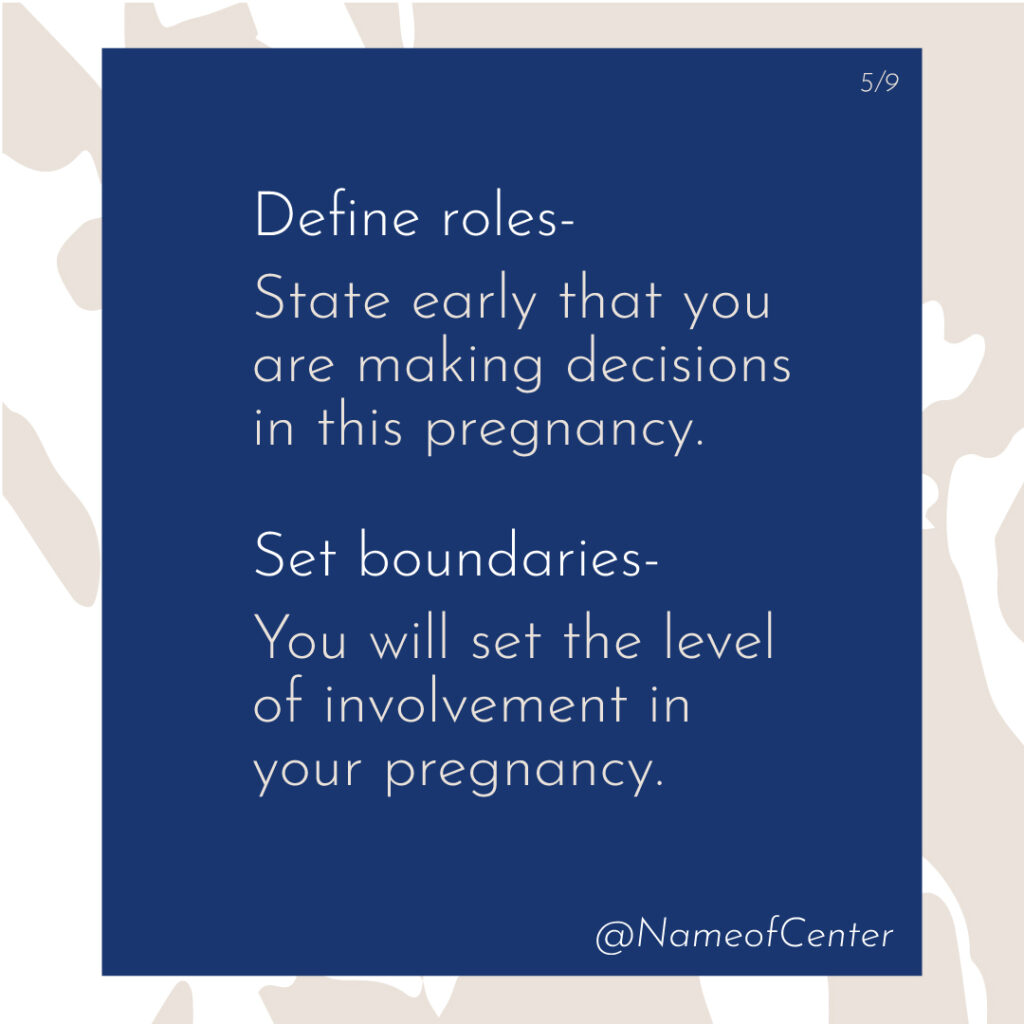
Define roles – state early that you are making decisions in this pregnancy. While he is welcome to be a positive participant in the pregnancy, the final say will lay with you and your parents.
Set boundaries – you will set the level of involvement in your pregnancy. In a healthy relationship, an involved father is a wonderful thing. A toxic relationship or toxic response will require that you are steadfast in your beliefs and decisions about your pregnancy.
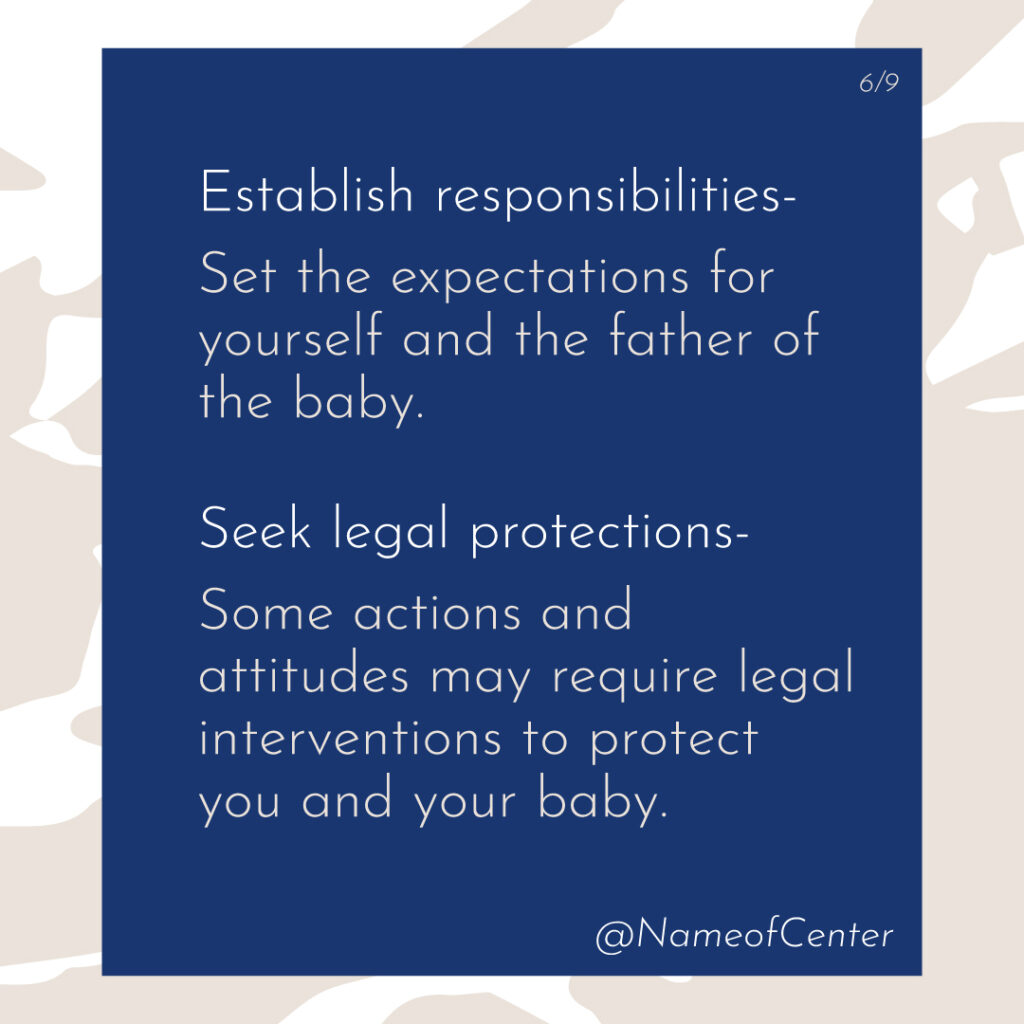
Establish responsibilities – the birth and care of a child will involve many responsibilities. Set the expectations for yourself and the father of the baby. Unspoken expectations will lead to disappointments, frustrations, and anger.
Seek legal protections – some actions and attitudes may require legal interventions to protect you and your baby. Read more about what to do if your boyfriend wants you to end your pregnancy.

Supportive Response To Pregnancy
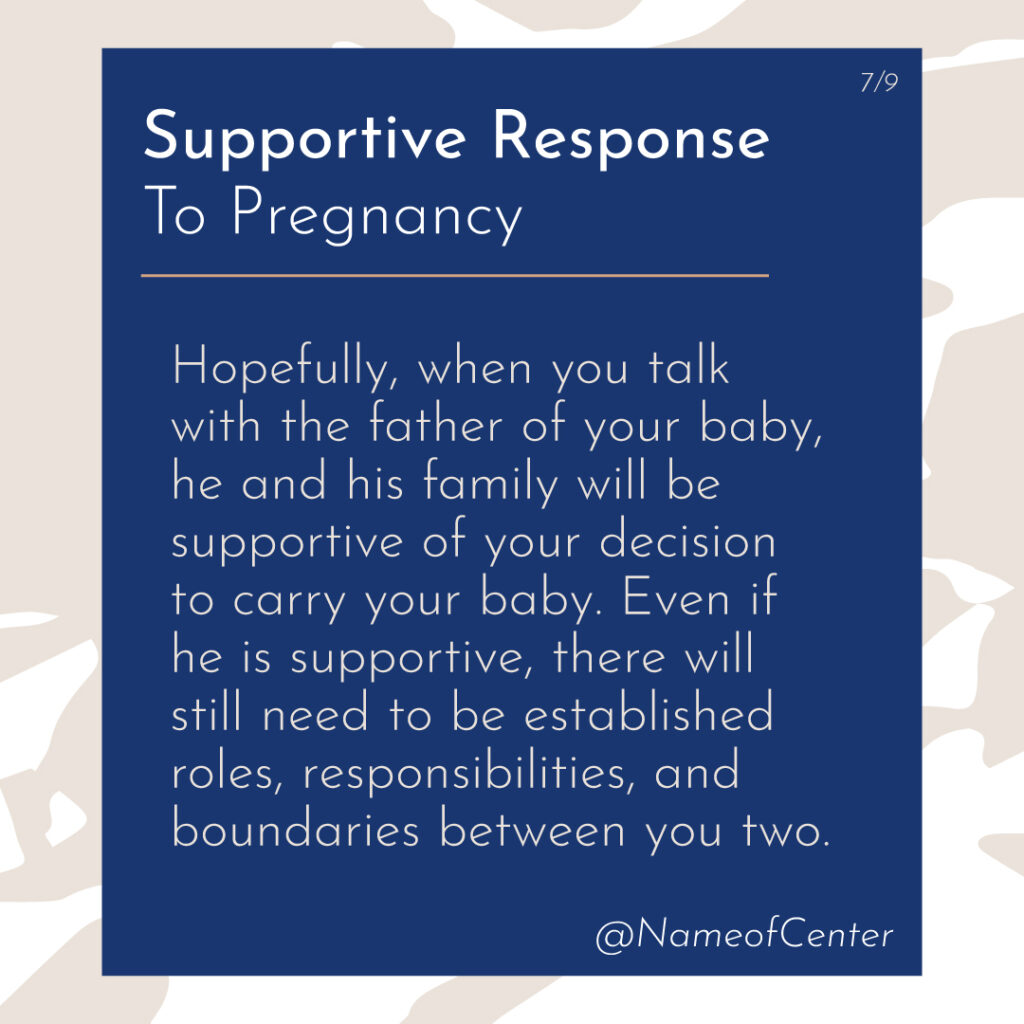
Hopefully, when you talk with the father of your baby, he and his family will be supportive of your decision to carry your baby. Even if he is supportive, there will still need to be established roles, responsibilities, and boundaries between you two. Clear expectations will help prevent interruptions in your relationship. Work to foster a positive relationship with the father’s family. They will be grandparents soon, and you can expect them to be part of your child’s life in the future.
Parents can have their own expectations. In some situations, parents may anticipate that marriage will follow childbirth. Marriage can be a wonderful way to strengthen the bond between mother and father and establish a supportive and loving home for the child. But, it must be what you want, and what the baby’s father wants. If you believe that you are being coerced into marriage, there are services available to help you protect your freedom.
Marriage is not the only option available for a positive parenting experience. Some couples may choose to co-parent instead. It is possible to have a healthy parenting relationship with the father of the baby without having to have a romantic one. When you co-parent, the mutual focus of raising a thriving child can unite the mother and father in a common goal. This goal requires open communication, clarity of purpose, and mutually agreed-upon objectives. Parenting is challenging, even for married couples. A good attitude and communication will go a long way to a successful parenting relationship.

Help Him Prepare For Fatherhood
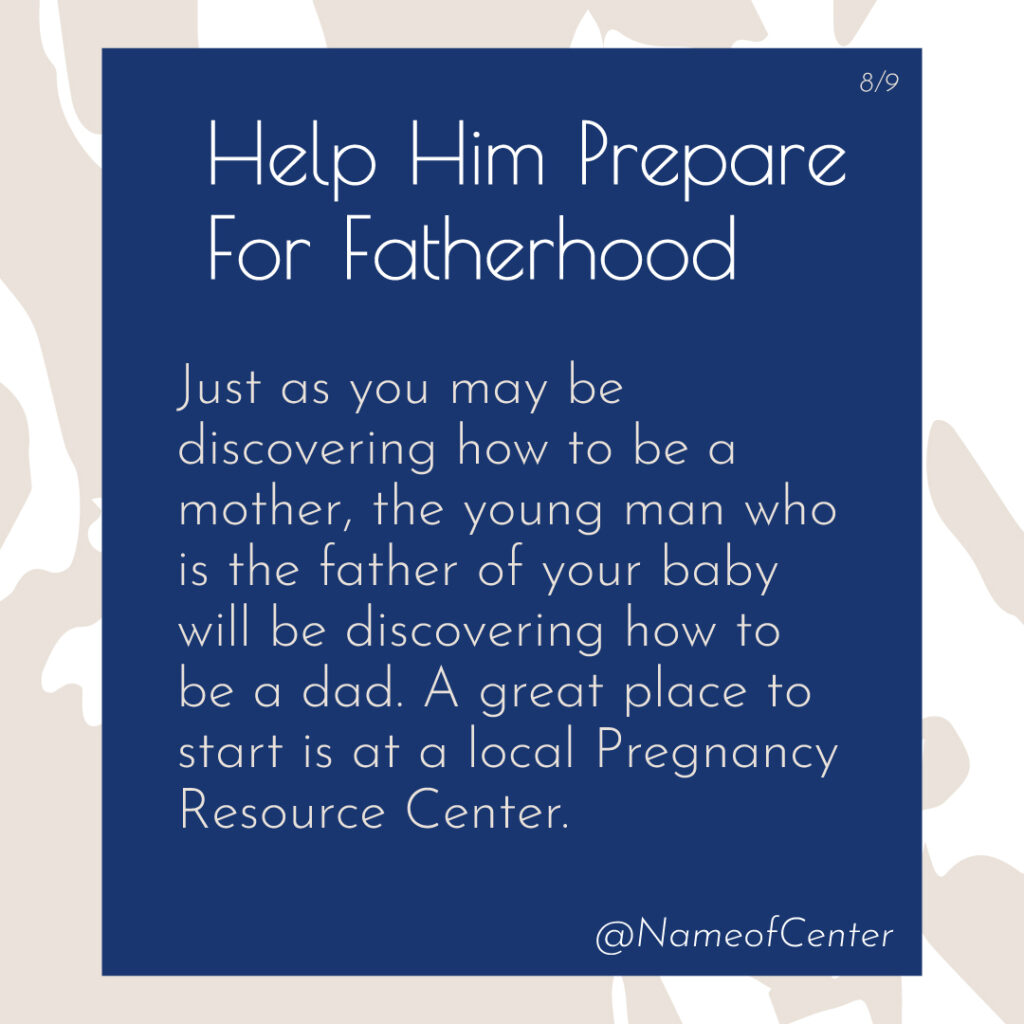
Just as you may be discovering how to be a mother, the young man who is the father of your baby will be discovering how to be a dad. A great place to start is at a local Pregnancy Resource Center.
Both of you can benefit from a listening ear. Plus, you can learn about relationships, childbirth, and parenting through courses. And that’s not all the resources that are available to you at your local center. You both may need help with finding employment or continuing education so that you can help provide for your baby. NAME OF CENTER can guide you. Being prepared and proactive will help ensure a good relationship with the father and a healthy pregnancy for you and the baby.
FAQ
Choose a time and place where you can talk privately and without interruptions. Be honest about your pregnancy, share what you know, and give him time to process the news. If you’re feeling nervous, consider writing down your thoughts beforehand or bringing a trusted friend or counselor into the conversation if appropriate. If you have concerns about your safety, prioritize talking in a safe environment or seek support before meeting.
People may react differently when they first learn about a pregnancy. Some need time to process their emotions before responding thoughtfully. While it’s important to listen to each other’s perspectives, you also deserve support and accurate information as you consider your options. Speaking with trusted family members, healthcare providers, or counselors can help you navigate the situation.
There is no single right time, but many people choose to have the conversation after confirming the pregnancy. Consider your relationship, your emotional readiness, and your personal safety. If you anticipate a difficult reaction, it may help to seek advice from someone you trust before having the conversation.
If you’re worried the conversation could become emotionally or physically unsafe, make a plan before speaking with him. Talk with a trusted friend, family member, counselor, or healthcare provider, and choose a public place or have someone nearby if needed. If you believe you’re at risk of abuse or violence, contact local support services or emergency services for assistance.
Support is available through healthcare providers, licensed counselors, pregnancy resource centers, trusted family members, and community organizations. These resources can provide pregnancy confirmation, options education, emotional support, and practical guidance to help you make informed decisions about your next steps.
It’s common for two people to have different feelings or perspectives after learning about a pregnancy. Honest communication, mutual respect, and access to accurate information can help both individuals better understand the situation. If conversations become difficult, a counselor or another trusted professional may be able to facilitate productive discussions. Regardless of differing opinions, decisions about medical care should be made without coercion, and if you feel pressured or unsafe, it’s important to seek support.
Sources
- Summary, A GoodTherapy.org News. “Do Boys and Girls Express Their Emotions Differently?” GoodTherapy.org Therapy Blog, 23 Oct. 2013, https://www.goodtherapy.org/blog/do-boys-and-girls-express-emotions-differently-1226122
- Preidt, R. (2014, April 30). Pregnancy ultrasound a big bonding moment for dads-to-be. WebMD. Retrieved October 28, 2022, from https://www.webmd.com/baby/news/20140430/pregnancy-ultrasound-a-big-bonding-moment-for-dads-to-be
- Robboy, C. (2022). What are boundaries? Center for Growth Therapy. Retrieved October 28, 2022, from https://www.thecenterforgrowth.com/tips/what-are-boundaries
- Forced marriage. The AHA Foundation. (2022, October 17). Retrieved October 28, 2022, from https://www.theahafoundation.org/forced-marriage/